

Online Reputation Management Dividend: Why Trusted Companies Recover Faster Than Everyone Else

What Is Online Reputation Management and Why Every Company Needs It
All businesses encounter reputational challenges, and preparation enables faster recovery. Public perception can shift rapidly due to negative news, critical reviews, dissatisfied customers, or misinformation. Organisations that recover quickly are those that invest in online reputation management before a crisis occurs.
Online reputation management (ORM) involves monitoring, influencing, and improving how a business or individual is perceived online, ensuring accurate and trustworthy information appears in search results. ORM integrates SEO, content marketing, public relations, social media engagement, and review management to achieve this goal.
An effective ORM strategy strengthens online presence by publishing valuable content, encouraging customer advocacy, and addressing concerns early. Organisations with mature reputation management programs build ongoing credibility that protects them during challenges.
How a Strong Brand Creates the Online Reputation Management Dividend
Trust is a critical asset, as it encourages stakeholders to support the organisation during challenging times. A respected brand instils confidence in customers, investors, employees, and the media, facilitating smoother recovery when reputation is tested.
Experts refer to this as the online reputation management dividend: consistent investment in brand reputation yields long-term returns. Each positive customer experience, helpful article, expert insight, and review contributes to lasting value.
Established brands recover faster because search engines display authoritative content built over years. Negative stories are less likely to dominate search results, allowing users to find balanced information such as positive media coverage, testimonials, industry recognition, and resources.
Why Trusted Companies Recover Faster After Negative Customer Reviews
All organisations receive criticism, including leading brands. The key difference is how businesses respond and what online presence exists before issues arise.
Businesses with strong reputations build trust through transparency and consistent communication, increasing the likelihood of forgiveness after mistakes. Customers are more willing to overlook isolated incidents when prior experiences have been positive.
Search engines reinforce this advantage by displaying years of positive content, blog articles, media interviews, and customer success stories alongside criticism. This balanced digital footprint gives potential customers a broader perspective and significantly reduces the long-term impact of negative coverage.
Collecting authentic feedback strengthens recovery by building a larger body of positive sentiment. Encouraging satisfied customers to leave reviews provides stronger evidence of trust, which outweighs occasional criticism.

What Is ORM in Social Media and Why Customer Feedback Matters
ORM in social media refers to managing your organisation’s perception across platforms like LinkedIn, Facebook, Instagram, X, and other digital communities.
Social media is a fast-moving reputation environment, making active management essential for rapid response and control. Positive experiences and complaints can reach thousands or millions within hours, so effective engagement is critical.
Effective social media ORM goes beyond responding to complaints; it strengthens trust and improves services by sharing expertise, engaging with customers, answering questions, and using feedback to enhance offerings. Open and honest communication builds trust.
Consistent social media activity reinforces a company’s broader online reputation. Customers increasingly judge businesses by their public communication, response speed, and authenticity.
Online Reputation Examples: How Positive Reviews Build Trust
Real-world examples illustrate ORM’s value by demonstrating its role in supporting loyalty during difficult periods. Organisations that monitor sentiment and respond professionally to criticism maintain stronger customer loyalty.
Review management is a common example. Businesses that request reviews from satisfied customers build stronger profiles on platforms like Google Reviews and Trustpilot. Occasional negative reviews become a minor part of overall customer sentiment.
Executive visibility adds credibility during public scrutiny. Leaders who publish articles, share industry insights, and appear in respected publications create valuable assets that support the company during challenging times.
Strong brand visibility supports recruitment, investment, and customer acquisition by building trust. Potential employees and clients find consistent messaging and high-quality content online, reinforcing confidence in the business.
What Is the Difference Between PR and Online Reputation Management for Brand Protection
Public relations and online reputation management are often used interchangeably, but they serve distinct purposes and protect the brand differently. Understanding this distinction helps organisations invest in effective strategies for long-term credibility.
Public relations builds relationships with journalists, media outlets, and stakeholders to secure positive coverage and communicate company news. PR campaigns typically focus on product launches, corporate announcements, executive interviews, and crisis communications.
Online reputation management has a broader digital focus, ensuring accurate information appears in search results. It involves managing search engine results, monitoring social media, responding to reviews, improving SEO, creating authoritative content, and tracking customer sentiment across platforms.
PR and reputation management complement each other. PR generates media coverage, while reputation management sustains brand reputation after headlines fade. Together, they build trust, improve visibility, and maintain a positive online presence.
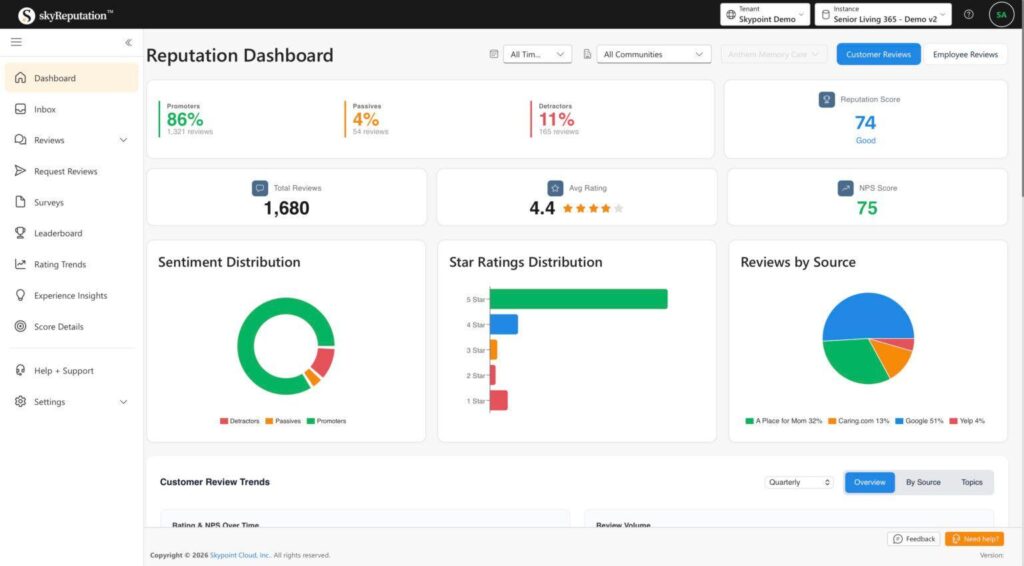
Conducting an Online Reputation Audit to Identify Risks Early
Regular reputation audits are valuable because they identify risks early. Businesses should routinely evaluate their presence across search engines, AI platforms, and social media instead of waiting for problems to arise.
A comprehensive reputation audit starts by reviewing search engine results for your company, products, and leadership. It should also monitor customer sentiment, identify outdated information, and assess online content quality. Understanding what customers see first helps identify risks early.
Review management is essential for demonstrating transparency and care. Organisations should regularly monitor Google Reviews, industry-specific sites, and other platforms. Professional responses to all feedback show prospective customers that every experience is valued.
Businesses should evaluate executive profiles, website content, social media accounts, and AI-generated summaries to keep their reputation current. As AI-powered search evolves, maintaining accurate and consistent online information is increasingly important for brand protection.
The Impact of Search Results, AI and Digital Reputation on Business Success
Digital reputation impacts more than marketing. Search engines, AI assistants, and review platforms increasingly influence purchasing decisions before customers contact a business.
Consumers conduct extensive research before making decisions, so reputation management shapes their perceptions at every step. Comparing websites, reading reviews, browsing social media, and using AI tools all influence brand perception, making reputation management a core business function.
Artificial intelligence presents new challenges. AI models summarise businesses using information from various online sources. If inaccurate or outdated data dominates, AI-generated responses may misrepresent the organisation.
Proactive reputation management is now essential. Companies that regularly post trustworthy content, update details, and strengthen their digital presence help search engines and AI generate reliable information about their organisation.
The Best Online Reputation Management Tools for Monitoring Your Brand
Effective reputation management relies on the right tools. Technology cannot replace strategic expertise, but it enables early risk identification and faster response.
Many organisations use Google Alerts, a free tool that notifies users of new online mentions. It serves as an early warning system for news coverage, blog posts, and brand discussions.
Specialist reputation management tools provide deeper insights by monitoring social media, news sites, forums, and reviews. They track customer sentiment in real time and offer competitor analysis, keyword tracking, and reporting dashboards for strategic decisions.
Review management software helps businesses collect feedback, monitor reviews, respond efficiently, and manage reviews across platforms. Consistent engagement demonstrates accountability and strengthens trust.
Analytics and SEO platforms support reputation management by identifying page rankings, highlighting content opportunities, and measuring search visibility changes. Combined, these tools help organisations protect and improve their online reputation.
Using Reputation Intelligence to Protect Your Company and Build Long-Term Trust
Modern reputation management relies on data and intelligence. Organisations can analyse search behaviour, customer sentiment, review trends, and media coverage to make informed decisions and strengthen their brand.
Reputation intelligence combines insights from search engines, social media, customer feedback, review platforms, and AI monitoring. Integrating these sources gives businesses a clearer view of emerging risks and opportunities before they impact performance.
This proactive approach enables organisations to respond quickly to changing customer expectations, improve communication, and maintain consistent brand reputation across digital channels. Instead of reacting to crises, businesses can anticipate them and strengthen trust through ongoing improvement.
The online reputation management dividend is ultimately about resilience. Companies that invest consistently, publish authoritative content, monitor sentiment, and use effective tools build stronger relationships with customers and stakeholders.
In today’s digital economy, reputation is a valuable asset. Organisations that invest in reputation management create a competitive advantage, improve customer confidence, strengthen their brand, enhance long-term growth, and recover faster from unexpected challenges.